

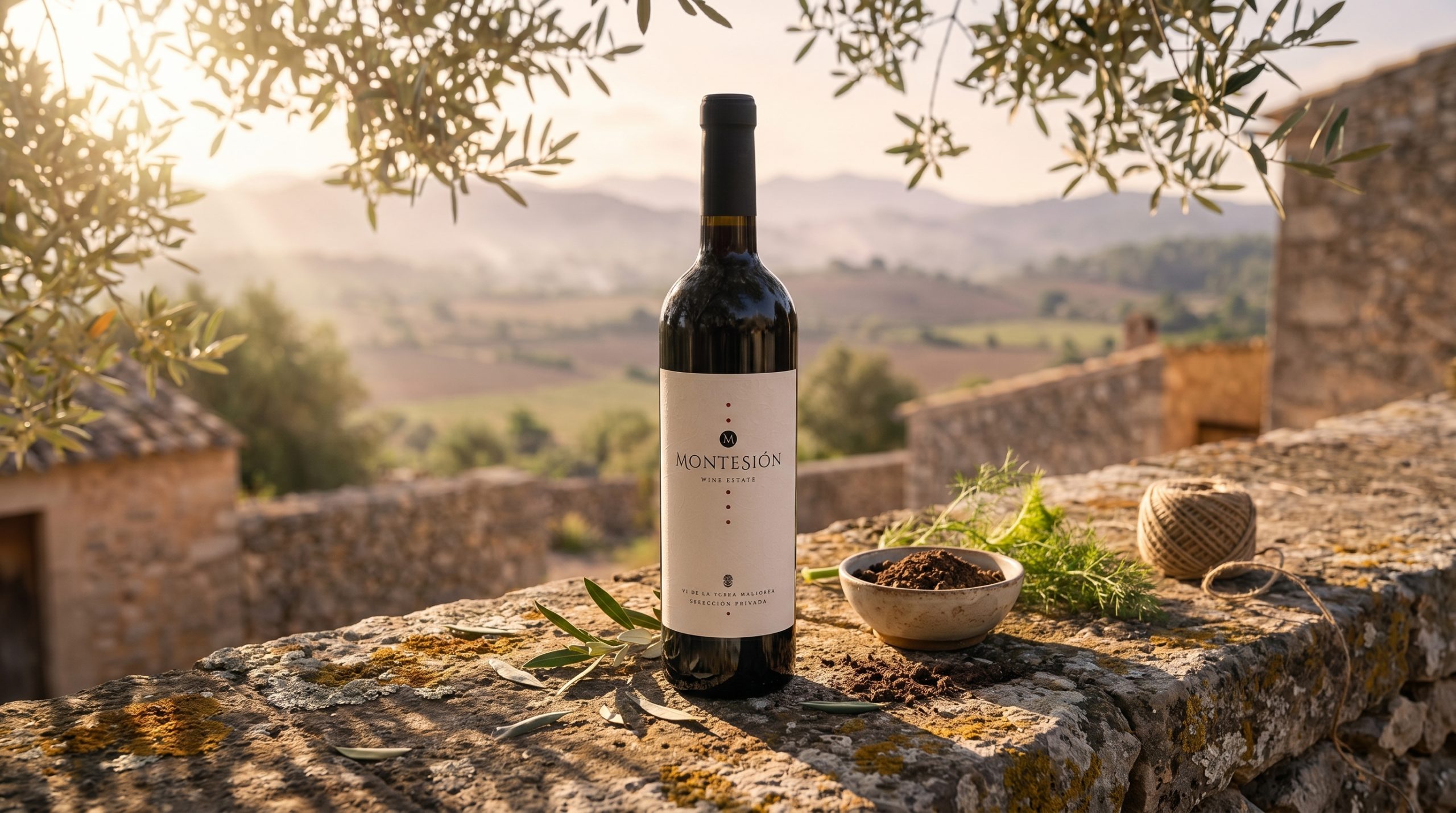
The resurgence of mallorca indigenous grape varieties fundamentally secures the future of Mediterranean viticulture against extreme climate shifts. Varieties like Callet and Prensal Blanc offer natural drought resistance and retain vibrant acidity under the intense sun. Consequently, these native vines outperform international grapes across the Balearic archipelago. Enthusiasts seeking authentic terroir increasingly turn to these historic cultivars for their unique flavor profiles and ecological resilience.
Global viticulture is adapting to changing temperatures and shifting dry seasons. Traditional wine regions often work to maintain balance in their flagship wines. However, island winemakers at estates like Montesion Wine Estate possess a distinct advantage hidden in their ancestral vineyards. Cultivating mallorca indigenous grape varieties offers a proven strategy for climate adaptation. The Mediterranean basin experiences notable climatic variations. Therefore, forward-thinking estates prioritize grapes that evolved alongside these conditions.
These indigenous vines develop deeper root systems and thicker skins. As a result, they require less water while producing yields of remarkable quality. Beyond mere survival, this agricultural shift satisfies a growing consumer demand. Modern connoisseurs actively seek out rare, terroir-driven bottles instead of ubiquitous international blends. Exploring these resilient vines reveals a fascinating intersection of historical preservation and modern agronomy.
Why Are Native Vines Essential for Climate-Resilient Viticulture?
Market data indicates a significant shift in vineyard plantings across Southern Europe. Specifically, plantings of native Mediterranean varieties have increased by 14% over the past decade. Winemakers recognize that indigenous grapes naturally withstand prolonged heatwaves. Furthermore, these vines maintain their biological rhythm despite erratic rainfall patterns. International varieties can experience acidity changes during warm summers. Conversely, native vines regulate their canopy growth to protect grape clusters from direct sunburn.
This natural adaptation translates directly into superior wine quality. Vines accustomed to the local ecosystem require fewer interventions in the vineyard. Consequently, they perfectly support the philosophy behind biodynamic wine production practiced at Montesion Wine Estate. By eliminating synthetic chemicals, estates encourage deeper root penetration into the limestone-rich soils. Thus, the vines access hidden water reserves during peak summer droughts. Additionally, cultivating native grapes preserves the unique agricultural heritage of the region.
Agricultural resilience demands biodiversity rather than monoculture. Planting a diverse array of native vines creates a robust ecosystem capable of self-regulation. Varying ripening times among different grapes spread the harvest risk across several weeks. Ultimately, this strategic approach ensures consistent yields regardless of seasonal weather anomalies. Enthusiasts exploring wine activities in mallorca frequently discover that the best wine in mallorca features these climate-adapted varieties.
What Defines the Captivating Callet Grape Characteristics?
Understanding the core callet grape characteristics reveals why this variety commands such respect among sommeliers. Historically, farmers considered Callet a rustic grape suited only for local consumption. Today, meticulous vineyard management transforms it into an elegant, complex wine. The vine produces large, tightly packed clusters with relatively thin skins. Therefore, careful canopy management remains essential to maintain vine health while ensuring optimal ripening.
In the glass, Callet delivers an unexpected sensory experience. It typically presents a lighter ruby hue compared to robust international reds. However, this delicate color belies a profoundly aromatic profile. Drinkers frequently detect prominent notes of wild raspberry, crushed violet, and subtle Mediterranean scrub. Moreover, the grape maintains a brilliant natural acidity that provides structural tension. This vibrant freshness makes it a standout among mallorca red wine varieties.
When treated with reverence in the cellar, the variety achieves remarkable longevity. A perfect example of this aging potential is the Montesión Callet Limited Edition 2007. This exceptional bottle showcases rich red fruits and earthy undertones, balanced by moderate tannins. The extended barrel aging polishes the texture into a seamless, velvety finish. Indeed, such expressions prove that island terroir can produce world-class wines capable of graceful evolution.
How Does the Prensal Blanc Wine Profile Stand Out?
While red varieties often dominate discussions, the white grapes of the archipelago deserve equal attention. The prensal blanc wine profile offers a refreshing counterpoint to heavier, oak-driven white wines. Also known as Moll, this indigenous variety thrives in the calcareous soils of the island. The vine exhibits vigorous growth and requires strict pruning to concentrate flavors. Consequently, dedicated vignerons limit yields to capture the true essence of the grape.
Prensal Blanc typically yields wines with a pale straw color and brilliant clarity. The aromatic bouquet leans heavily toward orchard fruits, particularly green apple and white peach. Furthermore, delicate floral notes of chamomile often emerge as the wine opens up. On the palate, it delivers a crisp finish with a distinctive saline minerality. This subtle saltiness directly reflects the maritime influence sweeping across the vineyards.
To understand its unique position, a brief comparison proves helpful.
| Grape Variety | Primary Aromas | Acidity Level | Climate Resilience |
|---|---|---|---|
| Prensal Blanc | Green apple, chamomile, sea salt | Moderate to High | Excellent |
| Callet | Wild raspberry, violet, earth | High | Excellent |
| Chardonnay | Butter, vanilla, tropical fruit | Medium | Low to Moderate |
This comparison highlights why native vines dominate the future of organic wine Spain. They effortlessly deliver complex flavors without demanding excessive irrigation.
The Enduring Legacy of Island Viticulture
The transition toward native grape varieties represents far more than a passing agricultural trend. Cultivating Callet and Prensal Blanc provides a definitive blueprint for sustainable winemaking in warming climates. These resilient vines prove that ecological adaptation and premium quality can perfectly coexist. Furthermore, their deep root systems significantly reduce the environmental impact of vineyard operations.
Consumers play a vital role in supporting this agricultural shift. Choosing bottles crafted from indigenous grapes directly funds the preservation of historic vineyards. Additionally, these unique wines offer flavor profiles that international varieties simply cannot replicate. The subtle saline notes of island whites and the vibrant tension of native reds capture the true essence of Balearic Islands wine. By prioritizing native cultivars, the industry moves away from homogenized flavor profiles toward authentic, terroir-driven expressions. This philosophical shift guarantees dynamic, expressive wines for tomorrow. Ultimately, the future of exceptional viticulture lies in trusting the wisdom of ancestral vines.
Frequently Asked Questions
What makes mallorca indigenous grape varieties unique?
Mallorca indigenous grape varieties evolved over centuries to thrive in a specific Mediterranean microclimate. These vines developed natural resistance to extreme heat, prolonged drought, and intense solar radiation. Consequently, they produce grapes with thicker skins and vibrant acidity that international varieties struggle to maintain. This evolutionary adaptation results in wines with distinctive flavor profiles, featuring unique herbal and saline notes.
How does the Callet grape perform in warm climates?
The Callet grape demonstrates exceptional resilience when cultivated in warm, dry Mediterranean environments. Its deep root system allows the vine to access subterranean water reserves during peak summer droughts. Furthermore, the vine naturally regulates its canopy to shield the delicate grape clusters from direct sunburn. This inherent climate adaptability ensures the fruit retains crucial acidity and complex aromatic compounds.
Why is Prensal Blanc important for organic viticulture?
Prensal Blanc naturally resists many common fungal diseases that affect conventional vineyards in humid coastal regions. This inherent biological strength means vignerons can cultivate the grape without relying on synthetic chemical treatments. Therefore, it perfectly aligns with the strict requirements of biodynamic and organic farming practices. The resulting wines offer a pure, unadulterated expression of the local calcareous soils.
Can native Balearic wines age well in the cellar?
Premium wines crafted from native Balearic varieties possess remarkable structural integrity for long-term aging. The naturally high acidity and refined tannins act as excellent preservatives during extended bottle maturation. Over several years, the vibrant primary fruit flavors evolve into sophisticated earthy and savory characteristics. Indeed, carefully cellared examples can gracefully develop complexity for more than a decade.
