

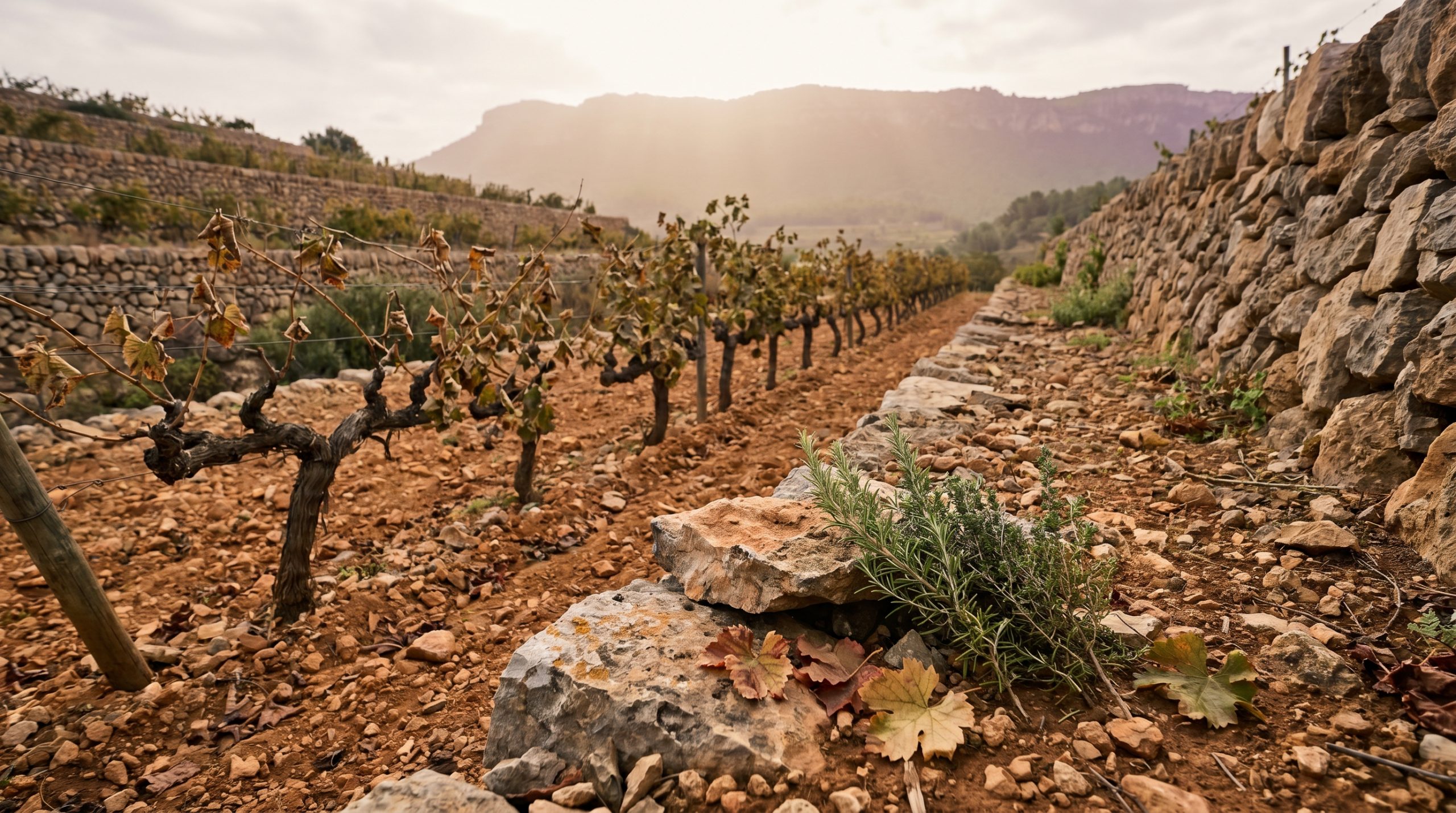
The recent Balearic government initiative ensures that Mallorca wine retains its unique viticultural identity through new subsidies for recovering indigenous grape varieties. This strategic funding provides crucial financial backing to vineyards cultivating native vines like Callet and Prensal Blanc. Consequently, the policy actively combats global market homogenization by supporting local heritage. Therefore, this public validation rewards the long-standing efforts of biodynamic estates like Montesion Wine Estate that already championed regional grapes.
Grapevine homogenization threatens regional distinctiveness across global markets. Currently, fifteen grape varieties occupy more than half of the world’s commercial vineyard area. However, the Balearic Ministry of Agriculture recently launched a targeted funding program to reverse this trend locally. This initiative explicitly supports the preservation and expansion of native island vines. Specifically, the government aims to protect the genetic diversity that makes local vintages entirely unique. Ultimately, this legislative shift confirms what heritage-focused vintners knew decades ago. True agricultural value lies in embracing the exact terroir and historical roots of the land.
Why Are Balearic Islands Wine Subsidies Targeting Local Grapes Now?
The global wine industry is increasingly addressing the challenge of uniformity. As international markets often favored ubiquitous French varieties, many historic regions shifted away from their native vines over the past century. However, the new Balearic Islands wine subsidies aim to reverse this botanical shift completely, elevating Mallorca wine on the global stage. The regional government recognizes that true market differentiation requires authentic, irreplaceable products. Consequently, officials allocated specific agricultural funds for the 2026 fiscal year to support the replanting of native vines.
This financial intervention arrives at a critical moment for the agricultural sector. Climate change increasingly challenges the viability of imported grape varieties that lack natural adaptation to Mediterranean heat. Meanwhile, native vines evolved specifically to thrive in this exact environment over thousands of years. Therefore, the ministry designed these grants to encourage sustainable viticulture rather than mere volume production.
Comparing conventional vineyards with heritage-focused estates reveals stark resilience differences.
| Viticulture Approach | Primary Grape Focus | Climate Resilience | Market Positioning |
|---|---|---|---|
| Conventional Farming | International varieties | Low adaptation to heat | High volume, low differentiation |
| Heritage Cultivation | Native island vines | High drought tolerance | Premium, unique terroir expression |
Ultimately, this funding provides a safety net for producers transitioning to traditional agriculture. Furthermore, the subsidies lower the financial risk associated with grafting and cultivating less common vines. Thus, the entire region benefits from a more robust and distinctive agricultural portfolio.
How Does the Callet Grape Define the Future of Our Vineyards?
Among the targeted indigenous varieties Mallorca champions, the Callet grape stands out as a remarkable success story in regional viticulture. Historically, local farmers relegated this rustic vine to producing simple, everyday table beverages. However, dedicated biodynamic farmers recognized its hidden potential decades before any public funding materialized. Because this vine naturally resists intense summer heat, it produces balanced fruit during droughts. Specifically, the deep root systems of old Callet vines extract unique mineral profiles from the rocky island soil.
Working with native vines requires immense patience and a deep understanding of the local ecosystem. Instead of forcing high yields through synthetic fertilizers, careful cultivation allows the vine to express its true character. For instance, the resulting vintages often display captivating aromas of wild red fruits, earthy undertones, and subtle Mediterranean herbs. This precise flavor profile captures the surrounding landscape. Consequently, enthusiasts worldwide increasingly seek out these rare, place-specific expressions during their wine activities in Mallorca.
True appreciation of this heritage requires experiencing the results of long-term aging and meticulous cellar work. A perfect example of this dedication is the Montesión Callet Limited Edition 2007, which showcases the extraordinary aging potential of this native vine. Because it matures slowly in barrels, the liquid develops a rich, full-bodied texture with perfectly integrated moderate tannins. Furthermore, early champions of this variety proved that local grapes could rival prestigious international labels in complexity. Therefore, government subsidies merely validate truths that pioneering estates established long ago.
What Makes Prensal Blanc the White Counterpart in This Heritage Revival?
While red varieties often dominate agricultural discussions, Prensal Blanc represents the vital white counterpart in this botanical resurgence. This vigorous native vine produces bunches with thick skins, offering natural protection against the intense Mediterranean sun. Consequently, the grapes retain crucial acidity and freshness, which are essential for crafting high-quality white vintages. Furthermore, the newly announced agricultural subsidies specifically earmark funds to expand the cultivation of this specific variety.
Market demand for distinctive, terroir-driven white options grows exponentially across Europe. Because consumers increasingly reject heavily oaked, standardized profiles, the crisp and aromatic nature of Prensal Blanc offers a refreshing alternative for Mallorca wine enthusiasts. Specifically, this grape yields bright flavors of green apple, white peach, and delicate floral notes. Moreover, when cultivated under strict Demeter-certified biodynamic protocols, the vines develop stronger immune systems and deeper soil integration. As a result, the finished product reflects the pure, unadulterated essence of the island’s unique microclimates.
Integrating white native vines also improves overall vineyard biodiversity. Monoculture farming can challenge ecosystems by drawing heavily on specific soil nutrients. However, planting diverse native varieties creates a resilient environment. Therefore, the government funding acts as a catalyst for broader ecological restoration across the island. Ultimately, supporting Prensal Blanc cultivation ensures that the region offers a complete, diverse portfolio, allowing producers to craft the best wine in Mallorca.
Preserving Authenticity in a Globalized Vineyard
The recent commitment to subsidize indigenous grape varieties marks a pivotal moment for regional agriculture. First, this financial backing ensures the survival and expansion of historically significant vines like Callet and Prensal Blanc. Second, the initiative actively combats global market homogenization by elevating unique, place-specific flavor profiles. Third, the policy perfectly aligns with the principles of biodynamic wine production, promoting ecological balance and soil health over artificial interventions.
Because these native plants naturally thrive in the Mediterranean climate, they offer unparalleled resilience against shifting weather patterns. As the market for organic wine Spain offers continues to expand, these native vines provide a crucial competitive advantage for producers like Montesion Wine Estate. Furthermore, the government validation of these heritage vines highlights the visionary foresight of estates that championed them for decades. Long before public funding existed, dedicated farmers recognized the intrinsic value of their local botanical legacy.
Ultimately, true agricultural excellence requires honoring the deep, historical connection between the vine and its native soil. By prioritizing local genetics over imported varieties, the agricultural sector builds a more secure and profitable future. As a result, the island secures its position as a beacon of authentic, sustainable viticulture for future generations. Consequently, wine lovers will continue to experience the genuine taste of this remarkable terroir.
Frequently Asked Questions
What specific indigenous grape varieties receive funding under the new Balearic subsidies?
The new Balearic Islands agricultural subsidies specifically target the recovery and expansion of native vines, primarily focusing on the Callet grape and Prensal Blanc. These indigenous varieties naturally adapt to the Mediterranean climate, requiring fewer interventions and offering high drought resilience. Furthermore, the funding aims to protect the unique genetic heritage of the region against the homogenization caused by international grape varieties.
How do native vines contribute to the production of high-quality biodynamic wine?
Native vines play a crucial role in biodynamic farming because they possess a natural evolutionary advantage in their specific terroir. Consequently, these indigenous plants naturally resist local diseases and thrive without the need for synthetic chemical fertilizers or pesticides. Therefore, cultivating native varieties allows biodynamic estates to maintain a self-sustaining, balanced ecosystem that produces highly expressive and authentic vintages.
Why is the preservation of local agricultural heritage important for the region?
Preserving local agricultural heritage ensures that the region maintains its distinct cultural and economic identity in a crowded global market. Because international markets increasingly value unique, terroir-driven products, protecting native vines directly boosts the premium positioning of local agriculture. Additionally, these preservation efforts support long-term ecological sustainability by promoting biodiversity and honoring traditional farming knowledge passed down through generations.
