
Biodynamic wine for beginners does not need to feel complicated. The best starting point is a wine with clear fruit, fresh balance, and enough character to show how biodynamic farming can shape a glass. For most newcomers, Montesión Rose Cuvée 2025 is the overall winner, Montesión Viognier 2025 is the best aromatic choice, and Montesión Syrah Amphora 2021 is the best introduction to structured red wine.
Choosing a first biodynamic bottle can feel harder than choosing a conventional wine. Terms such as spontaneous fermentation, Demeter certification, native varieties, and amphora ageing often appear together, yet they describe different parts of the wine’s story. This ranking separates those details into practical decisions: taste, occasion, food, and budget. The wines come from Montesion Wine Estate in Porreres, Mallorca, where hand-harvested grapes and traditional methods sit at the centre of the estate’s approach. The selection covers the supplied product information for vintages from 2020 to 2025. It also considers how easily each bottle communicates its character to someone still learning the language of wine.
How we ranked the best biodynamic wines for beginners
This list uses five criteria. We considered freshness, aromatic clarity, texture, serving flexibility, and the amount of explanation required before the first sip makes sense. A good beginner’s wine should offer pleasure immediately, but it should also reveal something new after a second glass. That balance matters more than prestige or technical complexity.
The sample includes three different styles: a young rosé, an aromatic white, and a structured red aged in Italian stoneware vats. The supplied information identifies spontaneous fermentation, hand harvesting, temperature-controlled cellar work, and Demeter-aligned practices.
|
Ranking |
Wine |
Best for |
Budget position |
Main reason to choose it |
|---|---|---|---|---|
|
1 |
Montesión Rose Cuvée 2025 |
First biodynamic tasting |
Most approachable |
Fresh fruit and easy food pairing |
|
2 |
Montesión Viognier 2025 |
Aromatic wine lovers |
Accessible |
Floral intensity with a clean finish |
|
3 |
Montesión Syrah Amphora 2021 |
Red wine drinkers |
Premium-style choice |
Silky structure and stoneware ageing |
1. Montesión Rose Cuvée 2025: the best overall starting point
The Montesión Rose Cuvée 2025 offers the clearest introduction to biodynamic wine for beginners because it feels familiar while still showing a distinctive sense of place. Its pale onion-skin colour recalls Provence, but the flavour profile belongs to a warmer Mediterranean landscape. Ripe strawberry, balsamic notes, banana, lychee, and tropical fruit create an inviting first impression. The palate remains fresh and balanced rather than heavy.
Moreover, the wine’s blend gives it broad appeal. Merlot contributes generous fruit, while Viognier adds aromatic lift. Chardonnay and Cabernet Sauvignon add further shape to the cuvée. Hand-selected grapes from vineyards in Porreres were fermented spontaneously in stainless steel tanks under controlled temperatures. That combination keeps the wine precise and lively without making it feel technical.
What it is: A young still rosé with 13.5% alcohol, made from Merlot, Chardonnay, Cabernet Sauvignon, and Viognier.
Best for: First-time biodynamic drinkers, warm afternoons, aperitif occasions, and groups with different taste preferences.
Pros:
-
Fresh, balanced texture with immediate appeal.
-
Aromatic fruit profile that remains easy to understand.
-
Flexible with fish, pasta, rice dishes, and white meats.
Cons:
-
Its youthful style may not satisfy drinkers seeking oak or bottle-age complexity.
-
The fruit-forward profile offers less tannic structure than a red wine.
Verdict: The strongest all-round choice for a first biodynamic tasting. Serve it at approximately 8-10°C, where its fruit and freshness feel most precise.
A useful comparison is chilled red fruit rather than sweet fruit juice. The rosé has brightness and perfume, but its finish stays dry and balanced. That makes it an effective bridge for people who usually drink white wine yet want to explore red varieties. It also works well when a table includes seafood, poultry, salads, and lightly seasoned dishes.
2. Montesión Viognier 2025: the best aromatic introduction
Montesión Viognier 2025 suits beginners who choose wine through aroma first. Its nose carries pronounced floral notes and exotic fruit, especially lychee, which is characteristic of the Viognier grape. The wine looks clear and pale yellow, with greenish tones and visible tears in the glass. On the palate, however, it remains fresh and balanced rather than becoming broad or overly sweet.
Viognier can sometimes feel lush and weighty, especially in warm climates. Here, the supplied tasting notes point toward a more controlled expression. Hand harvesting and spontaneous fermentation in a temperature-controlled stainless steel tank help preserve the grape’s fragrance. As a result, the wine shows personality without demanding specialist knowledge.
What it is: A 13% still white wine made entirely from Viognier.
Best for: Drinkers who enjoy floral whites, tropical fruit, and wines with a pronounced nose.
Pros:
-
Highly expressive aromas make the wine easy to recognise.
-
Freshness keeps the texture balanced and refreshing.
-
Works as an aperitif or with fish, pasta, and rice dishes.
Cons:
-
Its aromatic intensity may feel too perfumed for lovers of neutral whites.
-
The wine offers less oak-driven depth for those seeking a richer style.
Verdict: The best choice for learning how grape variety influences aroma. Serve it at approximately 8-10°C, allowing a few minutes in the glass to reveal more detail.
Furthermore, Viognier provides an excellent lesson in contrast. The nose suggests richness, while the palate brings freshness. Beginners can notice that aroma and weight do not always mean sweetness. That distinction helps new wine drinkers understand why two white wines with similar alcohol levels can feel entirely different.
3. Montesión Syrah Amphora 2021: the best red wine discovery
Montesión Syrah Amphora 2021 is the strongest pick for a beginner who already prefers red wine. It offers ripe red fruit, liquorice, a full-bodied palate, and a silky, rounded finish. The wine carries 14% alcohol and spends 12 months ageing in Italian stoneware vats. That vessel allows the wine to develop texture without adding the vanilla, toast, or spice associated with new oak.
The result feels structured but not aggressive. Its acidity balances the alcohol, while the tannins give the wine shape. The warm Mediterranean climate helps Syrah develop generous fruit, yet the wine retains enough tension for the finish to remain lively. Consequently, this bottle introduces the architecture of red wine without overwhelming a new drinker with hard tannins.
What it is: A still red wine made from Syrah, fermented spontaneously and aged in Italian stoneware vats for 12 months.
Best for: Red wine drinkers, cooler evenings, grilled dishes, poultry, game meats, pasta, and rice-based meals.
Pros:
-
Silky texture makes the structure approachable.
-
Liquorice and ripe red fruit give the wine a recognisable identity.
-
Stoneware ageing adds complexity without dominant oak flavours.
Cons:
-
Its fuller body may feel intense for people who mainly drink rosé.
-
The 14% alcohol level needs suitable food or careful serving temperature.
Verdict: The best red introduction to biodynamic cellar work. Serve it at approximately 15-17°C, not at an overheated room temperature.
That serving detail matters more than many beginners expect. A warm red can seem heavy, alcoholic, and flat. At the right temperature, the Syrah’s fruit becomes clearer and its texture feels more polished. Try it beside roasted poultry or a savoury rice dish, where the acidity can cut through richness and the fruit can mirror gentle caramelisation.
What does Demeter certified wine mean in practical terms?
A Demeter certified wine comes from a farming and production system that follows biodynamic standards. Biodynamic agriculture treats the vineyard as a connected living system rather than a crop managed in isolation. Soil health, biodiversity, animal life, seasonal rhythms, and careful use of natural preparations all form part of that wider approach. Certification also creates an external framework instead of leaving the term entirely to a producer’s personal interpretation.
However, certification does not create one fixed flavour. A Demeter certified wine can be fresh, floral, earthy, tannic, or richly textured. Grape variety, climate, harvest date, cellar decisions, and ageing vessel still shape the final glass. In Mallorca, intense sunlight and Mediterranean conditions can produce ripe fruit, while careful harvesting and balanced winemaking preserve freshness.
For beginners, the practical question is simple: does the wine taste clear, balanced, and connected to its ingredients? The three bottles above answer that question in different ways. The rosé emphasises fruit and freshness, the Viognier highlights aroma, and the Syrah shows texture and structure.
Destacado: Montesión Callet Limited Edition 2007
For readers curious to move beyond an approachable first tasting, a distinctive vintage can turn exploration into a memorable occasion. Montesión Callet Limited Edition 2007 brings a more contemplative, sensory dimension to the journey, suited to an unhurried dinner or a thoughtful gift for a wine enthusiast.
How should beginners taste biodynamic wine?
You do not need specialist equipment. Use a clean glass, serve the wine at the suggested temperature, and taste it before reading too many tasting notes. That last step prevents suggestion from replacing personal observation. Notice what you actually smell and taste first.
Then follow a simple sequence:
-
Look at the colour and brightness.
-
Smell the wine without swirling.
-
Swirl gently and smell again.
-
Take a small sip and hold it briefly across the palate.
-
Notice freshness, texture, fruit, bitterness, and finish.
-
Taste again after a few minutes with food.
Meanwhile, keep one question in mind: what changed between the first and second sip? Aromatic wines often open quickly, while structured reds may soften beside food. The difference can teach more than memorising terms such as minerality or body.
A helpful exercise compares the three styles in one sitting. Begin with the rosé, move to the Viognier, and finish with the Syrah. This sequence follows increasing body and tannic structure. It also resembles a musical progression, moving from bright percussion to floral melody and finally to a deeper bass line.
Complete comparison of the three bottles
The table below brings the ranking into one practical view. It focuses on the decisions that matter when buying or serving a first bottle.
|
Wine |
Style |
Alcohol |
Ageing or vessel |
Best use |
Budget position |
|---|---|---|---|---|---|
|
Montesión Rose Cuvée 2025 |
Young still rosé |
13.5% |
Stainless steel fermentation |
Aperitif and mixed gatherings |
Most approachable |
|
Montesión Viognier 2025 |
Aromatic white |
13% |
Controlled stainless steel fermentation |
Aperitif and lighter meals |
Accessible |
|
Montesión Syrah Amphora 2021 |
Structured red |
14% |
12 months in Italian stoneware vats |
Dinner and richer dishes |
Premium-style choice |
The rosé wins for versatility. It can move from a first glass before dinner to a meal with fish or white meat without changing character. The Viognier wins for aroma, especially when the drinker wants a wine that announces itself before tasting. The Syrah wins for texture and depth, making it the natural choice for someone who wants to explore red wine’s structure.
Together, the bottles also demonstrate why Mallorca wine deserves attention beyond familiar international categories. The island’s vineyards can support freshness, perfume, and depth within the same estate. That range makes a Balearic Islands wine selection especially useful for guided tastings and relaxed wine activities in Mallorca.
Which bottle should you choose first?
Choose Montesión Rose Cuvée 2025 if you want the safest starting point. Its pale colour, ripe strawberry character, and fresh finish make it friendly without becoming simple. It also handles the widest range of foods and social settings. For a mixed group, that flexibility often matters more than technical complexity.
Choose Montesión Viognier 2025 if aroma drives your decisions. Its floral and lychee notes provide a clear introduction to varietal expression. It suits aperitif moments and lighter meals, particularly when the wine needs to remain vivid rather than weighty.
Choose Montesión Syrah Amphora 2021 if you usually reach for red wine. Its silky texture and stoneware ageing offer a gentler route into full-bodied styles. Unlike a heavily oaked red, it allows fruit, acidity, and tannin to remain visible.
Ultimately, the best first bottle depends on the experience you want. The rosé is the welcoming host, the Viognier is the aromatic storyteller, and the Syrah is the thoughtful dinner companion. Each one makes biodynamic practice easier to understand because each expresses a different part of the vineyard-to-cellar journey.
Why Mallorca offers a memorable biodynamic starting point
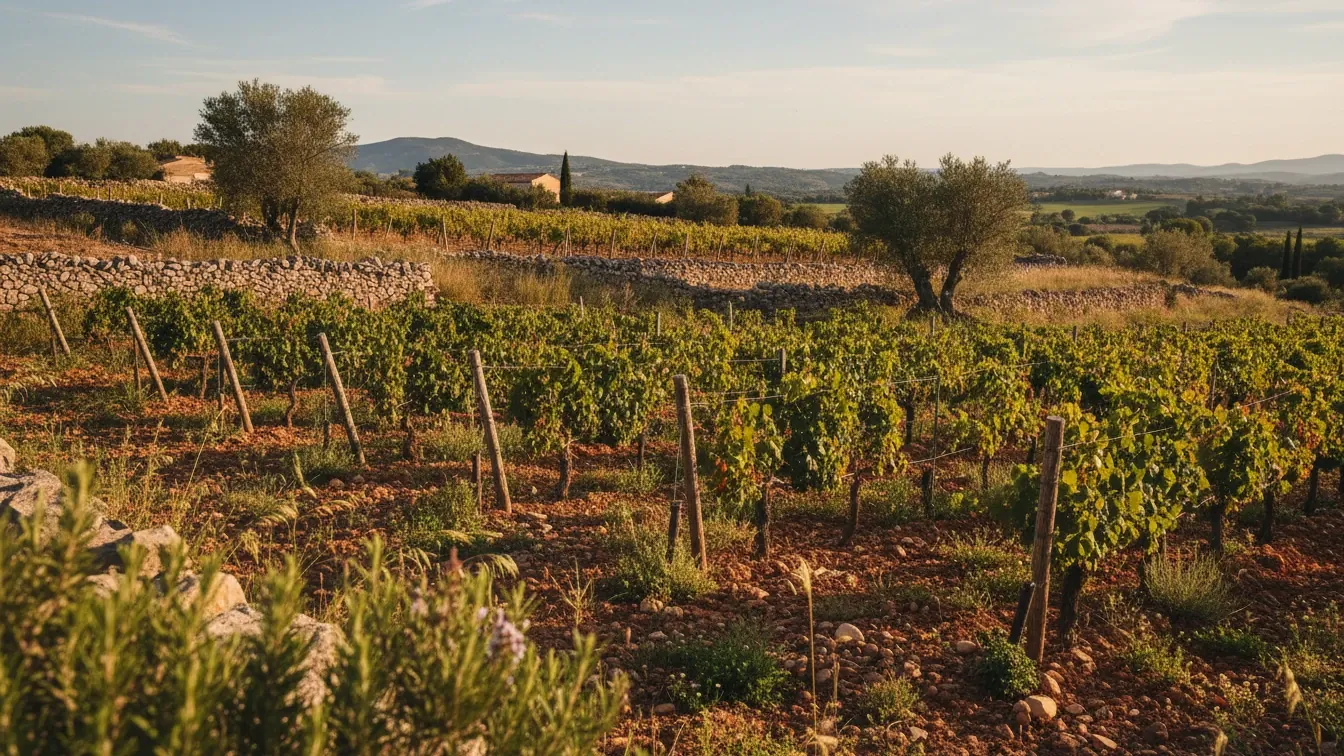
Mallorca brings a distinctive setting to biodynamic wine. Porreres sits within a landscape shaped by strong sunlight, dry summers, coastal influence, and deep culinary traditions. Those conditions can encourage ripe fruit, yet they also demand attention to harvest timing and freshness. Hand harvesting becomes more than a traditional gesture; it helps the winery select healthy grapes at the right moment.
Montesion Wine Estate’s supplied production notes repeatedly describe spontaneous fermentation, no added yeasts or bacteria, and temperature-controlled stainless steel work. Its red wines extend that story through French oak or Italian stoneware, while its white and rosé wines protect aromatic clarity. The approach resembles cooking with excellent seasonal ingredients: the technique matters, but the raw material remains visible.
That perspective helps explain the appeal of organic wine in Spain and biodynamic wine from the Balearic Islands. Beginners do not need to treat certification as a promise of one specific taste. Instead, they can use it as a starting point for asking better questions about soil, farming, fermentation, and place.
Frequently asked questions
What is the best biodynamic wine for beginners?
Montesión Rose Cuvée 2025 is the best overall starting point for beginners because it combines fresh acidity, ripe fruit, and an approachable texture. Its Merlot and Viognier components make the wine expressive without requiring advanced tasting experience. It also pairs with fish, pasta, rice dishes, and white meats. Serve it at approximately 8-10°C for the clearest balance.
Is Demeter certified wine suitable for people new to wine?
Yes, Demeter certified wine can suit new wine drinkers because certification describes farming and production standards, not an intimidating flavour profile. A certified wine may taste fresh, floral, earthy, or structured depending on the grapes and cellar methods. The Montesión examples offer different entry points through rosé, white, and red styles. Beginners can therefore explore biodynamic principles without committing to one particular taste.
Which biodynamic wine is easiest to pair with food?
Montesión Rose Cuvée 2025 is the easiest food-pairing choice among the three ranked wines. Its freshness and moderate weight work with fish, pasta, rice dishes, white meats, and aperitif foods. The wine also suits shared tables where guests choose different dishes. Its fruit profile remains noticeable without overpowering lighter ingredients.
How should I serve biodynamic wine?
Serve biodynamic wine according to its style rather than using one temperature for every bottle. The Montesión rosé and Viognier are best at approximately 8-10°C, while the Syrah Amphora suits approximately 15-17°C. Pour red wine slightly cool rather than warm, especially in a Mediterranean climate. A clean glass and a few minutes of air can reveal more detail than excessive swirling.
Does biodynamic wine always taste earthy?
No, biodynamic wine does not always taste earthy. Farming certification does not determine a single flavour, because grape variety, climate, harvest timing, fermentation, and ageing vessel also shape the wine. Viognier may show floral and lychee aromas, while rosé may highlight strawberry and tropical fruit. Syrah can express ripe red fruit, liquorice, and silky structure instead.
