

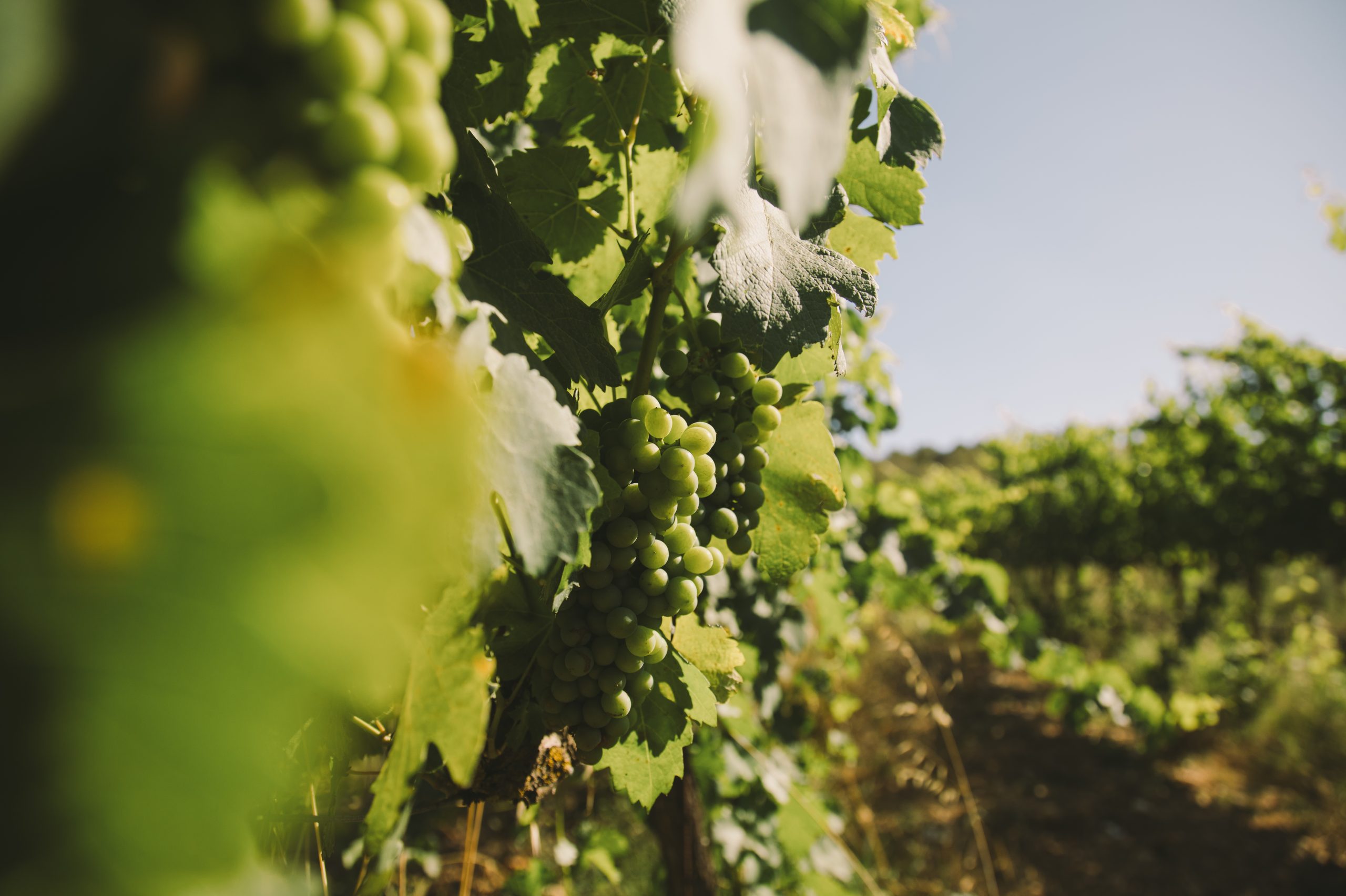
Mallorca’s wine identity rests not on imported prestige varieties but on two indigenous grapes that survived centuries of isolation: Callet and Prensal Blanc. These varieties evolved in the Balearic Islands without interference from mainland Spanish viticulture, developing unique flavor profiles shaped by Mediterranean sun, limestone soils, and sea winds. Today, biodynamic estates like Montesion Wine Estate amplify their terroir expression, revealing characteristics no other region can replicate.
The story of Callet and Prensal Blanc begins with geographic isolation. While mainland Spain cultivated Tempranillo and Garnacha, Mallorca’s winemakers preserved varieties that thrived in the island’s specific conditions-hot, dry summers; cool maritime nights; and calcareous soils that drain quickly yet retain enough moisture for deep root systems. This isolation created a genetic bottleneck: Callet and Prensal Blanc adapted to Mallorca’s microclimates over generations, becoming inseparable from the land itself. When phylloxera devastated European vineyards in the late 19th century, Mallorca’s geographic separation slowed the pest’s arrival, allowing some ungrafted vines to survive. Modern DNA analysis confirms these grapes share no close relatives with mainland varieties-they are evolutionary endpoints, shaped entirely by island conditions.
Why Callet Thrives Where Other Red Grapes Struggle
Callet produces small, thick-skinned berries that resist the intense summer heat without shriveling. The grape’s natural acidity remains high even as sugar levels rise, a rare trait in Mediterranean climates where most red varieties lose freshness as they ripen. This balance allows Callet to reach full phenolic maturity-deep color, ripe tannins, soft texture-without the jammy, overripe flavors that plague warm-climate wines.
The variety’s flavor profile centers on red fruit rather than black: cherry, raspberry, wild strawberry, with herbal undertones of thyme and rosemary that echo the island’s garrigue landscape. Tannins are moderate but persistent, giving structure without astringency. When aged in French oak, Callet develops smoky, earthy notes that complement rather than mask its fruit core. The Montesión Callet Limited Edition 2007 demonstrates this harmony-ripe black fruits supported by integrated tannins and balanced acidity, aged 12-15 months in 225-liter barrels to enhance complexity without overwhelming varietal character.
Biodynamic viticulture intensifies Callet’s terroir expression. The variety’s thick skins concentrate flavors when vines are stressed-a natural response biodynamic farming encourages through minimal irrigation and competition from cover crops. Spontaneous fermentation with native yeasts preserves the grape’s herbal nuances, which commercial yeasts often suppress. Callet’s moderate alcohol levels (typically 13.5-14.5%) make it food-friendly, pairing well with roasted meats, aged cheeses, and traditional Mallorcan dishes like tumbet and sobrasada.
Prensal Blanc: The White Grape That Defines Mallorcan Freshness
Prensal Blanc (also called Moll) produces wines of remarkable freshness despite Mallorca’s heat. The grape retains acidity better than Chardonnay or Viognier, with natural pH levels that keep wines lively without requiring acidification. Its flavor profile leans toward orchard fruits-pear, green apple, white peach-with subtle floral notes and a mineral finish that reflects the island’s limestone bedrock.
The variety’s name derives from the Catalan word for “press,” referencing its historical use in bulk wine production. For decades, Prensal Blanc was undervalued, blended away or harvested too late to preserve its defining freshness. Modern winemakers now pick earlier, capturing the grape’s natural tension between fruit ripeness and acidity. The result is wines with structure and aging potential, not just easy-drinking whites.
Prensal Blanc’s medium-thick skins protect against sunburn while allowing slow, even ripening. The grape develops aromatic complexity as it matures, adding notes of chamomile, fennel, and citrus zest. When fermented in stainless steel at controlled temperatures, it produces clean, vibrant wines that showcase pure fruit. Some producers experiment with barrel aging or skin contact, adding texture and depth, but the variety’s strength lies in its unadulterated expression of place.
Biodynamic farming enhances Prensal Blanc’s mineral character. Deep-rooted vines access trace elements from subsoil layers, translating limestone and clay into flavor. The absence of synthetic inputs means the grape’s natural aromatic compounds remain intact-no masking from residual chemicals or heavy-handed winemaking. Prensal Blanc typically reaches 12.5-13.5% alcohol, making it refreshing rather than heavy, ideal for Mallorca’s warm climate and seafood-driven cuisine.
How Centuries of Island Isolation Shaped These Varieties
Mallorca’s geographic separation from mainland Europe created a unique evolutionary environment. While continental vineyards exchanged cuttings and cross-pollinated varieties, the Balearic Islands remained genetically isolated. Callet and Prensal Blanc adapted to local conditions without outside influence: drought tolerance, heat resistance, and the ability to ripen fully under intense sun while maintaining acidity.
Historical records show Mallorcan viticulture dates to Roman times, but the island’s wine culture flourished under Moorish rule (903-1229 AD), when agricultural innovation peaked. After Christian reconquest, monastic orders preserved winemaking traditions, cultivating indigenous varieties in monastery vineyards. These grapes survived because they worked-no need to import alternatives when local varieties thrived.
Phylloxera’s delayed arrival in Mallorca (early 20th century) meant some vineyards retained pre-phylloxera genetics. While most European vines were grafted onto American rootstock, a few Mallorcan plots survived ungrafted, preserving the original varietal character. Modern ampelographers study these old vines to understand how Callet and Prensal Blanc evolved without human intervention beyond basic cultivation.
The 20th century nearly erased these varieties. Tourism boomed, agriculture declined, and many vineyards were abandoned or replanted with international grapes like Cabernet Sauvignon and Chardonnay. By the 1990s, Callet and Prensal Blanc occupied less than 10% of Mallorca’s vineyard area. A cultural shift toward indigenous varieties reversed this trend-winemakers recognized that Mallorca’s competitive advantage lay not in copying Bordeaux or Burgundy but in expressing what only the island could produce.
Biodynamic Viticulture Amplifies Varietal Character
Biodynamic farming intensifies the connection between grape and place. Callet and Prensal Blanc evolved in Mallorca’s natural environment-biodynamic methods recreate that environment by eliminating synthetic inputs and fostering soil biodiversity. The result is wines that taste unmistakably of their origin, with flavor profiles shaped by terroir rather than winemaking technique.
Callet benefits from biodynamic stress management. The variety’s thick skins concentrate flavors when water is limited, a response biodynamic viticulture encourages through dry farming and cover crop competition. Native yeasts from the vineyard carry terroir into the fermentation tank, producing wines with herbal, earthy notes that commercial yeasts suppress. Spontaneous fermentation takes longer, allowing slower extraction of tannins and color-softer, more integrated wines result.
Prensal Blanc’s mineral character becomes pronounced under biodynamic farming. Deep-rooted vines access subsoil minerals, translating geology into flavor. The absence of herbicides and pesticides means the grape’s aromatic compounds remain unmasked-no chemical residues to dull the wine’s natural vibrancy. Fermentation in stainless steel preserves these delicate aromatics, while some producers experiment with amphora aging to add texture without oak’s dominant influence.
The Montesión Selección Privada 2021 demonstrates how biodynamic methods enhance varietal expression. Aged 24 months in first-year French oak barrels, the wine shows intense color, bold flavors, and firm tannins-all hallmarks of grapes grown without synthetic shortcuts. The full-bodied, velvety texture comes from healthy vines producing concentrated fruit, not from winemaking manipulation.
Biodynamic certification (Demeter) requires more than organic compliance-it demands holistic vineyard management that treats the estate as a living organism. Compost preparations, lunar planting calendars, and biodiversity initiatives create a self-regulating ecosystem where indigenous varieties thrive. For Callet and Prensal Blanc, this means wines that taste like nowhere else-pure expressions of Mallorca’s terroir, unfiltered by industrial agriculture.
What Makes These Grapes Distinct from Mainland Spanish Varieties
Callet and Prensal Blanc share no close genetic relatives with Tempranillo, Garnacha, or Albariño-the grapes that define mainland Spanish wine. DNA analysis places them in isolated clades, suggesting independent evolution over centuries. This genetic distance translates to flavor: Callet lacks Tempranillo’s earthy, leathery notes, instead offering brighter red fruit and herbal freshness. Prensal Blanc avoids Albariño’s stone fruit heaviness, leaning toward citrus and mineral crispness.
Mainland varieties evolved in continental climates with cold winters and hot, dry summers. Mallorca’s maritime climate-moderated by sea breezes, with mild winters and intense but shorter summers-shaped different adaptive strategies. Callet ripens later than Garnacha, avoiding the peak heat of August. Prensal Blanc retains acidity better than Viura, thriving in conditions where most white grapes would flatten.
The island’s limestone soils differ from mainland terroirs. Rioja’s clay and chalk, Priorat’s slate, Rías Baixas’ granite-each shapes its varieties differently. Mallorca’s calcareous bedrock drains quickly, stressing vines and concentrating flavors, while providing enough mineral content to keep wines fresh. Callet and Prensal Blanc evolved to exploit this specific soil type, developing root systems that access deep water reserves during drought.
Cultural isolation reinforced genetic separation. Mainland winemakers exchanged cuttings, blended varieties, and adapted techniques from France and Italy. Mallorca’s insularity preserved traditional methods-field blends, spontaneous fermentation, minimal intervention-that kept indigenous varieties pure. When modern winemaking arrived in the late 20th century, Mallorcan producers had a choice: copy international styles or champion local grapes. The best chose the latter, positioning Callet and Prensal Blanc as badges of regional identity.
Frequently Asked Questions
What does Callet wine taste like compared to other red grapes?
Callet produces medium-bodied red wines with bright acidity and moderate tannins, centered on red fruit flavors like cherry, raspberry, and wild strawberry rather than the black fruit notes of Cabernet Sauvignon or Syrah. Herbal undertones of thyme, rosemary, and Mediterranean garrigue distinguish it from mainland Spanish varieties like Tempranillo, which lean toward earthy, leathery profiles. When aged in oak, Callet develops smoky, spicy notes without losing its fresh fruit core, making it versatile for food pairing and approachable even in youth.
Why is Prensal Blanc considered unique to Mallorca?
Prensal Blanc (Moll) evolved exclusively in the Balearic Islands, with no close genetic relatives on mainland Spain. Its ability to retain high natural acidity despite Mallorca’s heat sets it apart from varieties like Viura or Macabeo, which often flatten in warm climates. The grape produces wines with orchard fruit flavors-pear, green apple, white peach-and a pronounced mineral finish that reflects the island’s limestone soils. This combination of freshness and structure is rare in Mediterranean white wines, making Prensal Blanc a defining expression of Mallorcan terroir.
How does biodynamic farming affect the flavor of indigenous Mallorcan grapes?
Biodynamic viticulture intensifies terroir expression by eliminating synthetic inputs and fostering soil biodiversity, allowing Callet and Prensal Blanc to develop flavors shaped purely by their environment. Callet’s herbal, earthy notes become more pronounced when vines are naturally stressed through dry farming and cover crop competition, while spontaneous fermentation with native yeasts preserves aromatic complexity that commercial yeasts suppress. Prensal Blanc’s mineral character deepens as deep-rooted vines access subsoil trace elements, translating Mallorca’s limestone bedrock into flavor without chemical masking.
Can Callet and Prensal Blanc be found outside of Mallorca?
These varieties remain almost exclusively planted in Mallorca due to their evolutionary adaptation to the island’s specific climate and soils. While small experimental plantings exist in other Mediterranean regions, the grapes rarely achieve the same balance of ripeness and acidity found in their native terroir. Mallorca’s combination of maritime influence, limestone soils, and intense sun creates conditions these varieties evolved to exploit over centuries-attempting to replicate them elsewhere typically results in wines lacking the freshness and mineral character that define authentic Callet and Prensal Blanc.
