

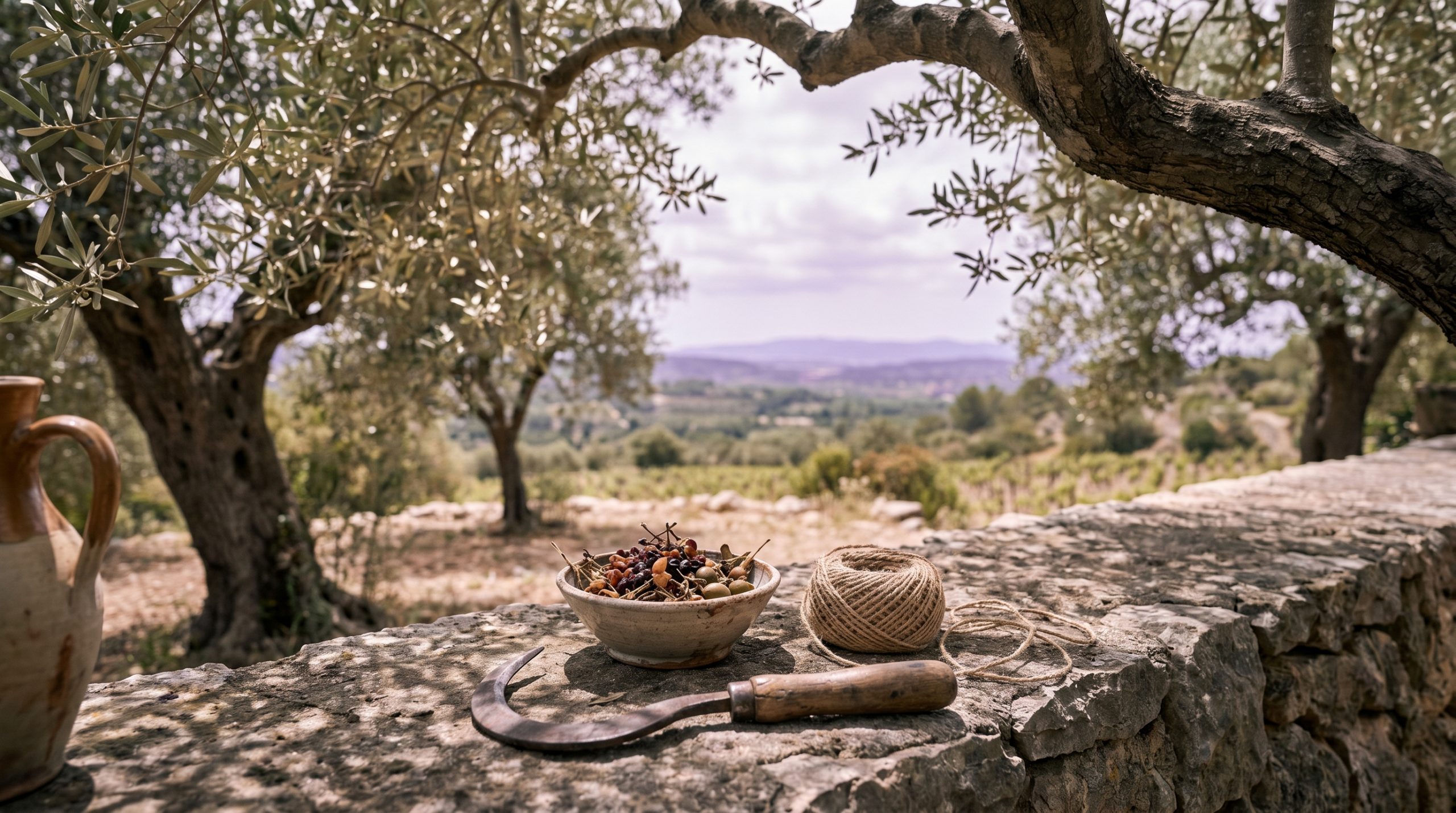
The future of viticulture relies heavily on indigenous grapes mallorca, as these native varieties offer unparalleled resilience and distinct flavor profiles. Specifically, Callet and Prensal Blanc grapes thrive in the island’s unique microclimates. Consequently, biodynamic farming practices at Montesion Wine Estate elevate these ancient vines to produce exceptional, terroir-driven vintages. Enthusiasts increasingly seek these authentic expressions over homogenized international blends.
Global palates are shifting rapidly away from ubiquitous grape varieties toward highly specific, localized expressions. Indeed, the international wine market demonstrates a clear preference for authenticity. Collectors and casual drinkers alike want bottles that tell a distinct geographical story. Mallorca wine regions sit perfectly positioned at the center of this movement. The island possesses a treasure trove of native genetics that evolved over centuries in isolation. Therefore, these vines naturally resist drought and heat stress. Furthermore, they translate the rocky, sun-drenched soils into complex flavor profiles. Modern viticulture is adapting to maintain character in shifting climates. However, island-adapted vines offer a natural solution. Biodynamic practices strip away chemical interventions, allowing the true voice of the terroir to speak. As a result, the resulting wines capture the raw essence of the Mediterranean.
Why Are Global Wine Enthusiasts Pivoting to Island Genetics?
The international wine landscape is undergoing a massive transformation. Consumers increasingly seek out unique regional identities over standardized flavors. Market data indicates a significant shift in buying habits. Sales of wines made from lesser-known native grapes have grown by 14% annually over five years. Meanwhile, international varieties see plateauing interest. This trend strongly favors the Balearic Islands wine sector.
Island ecosystems create forced evolutionary adaptations. Consequently, vines develop thicker skins and deeper root systems to survive salty winds and intense sun. These biological defense mechanisms directly translate into higher concentrations of aromatic compounds. Furthermore, the isolation of island terroirs prevents the homogenization seen in massive continental appellations. Therefore, each vineyard block acts as a distinct genetic library.
Comparing typical international varieties with native Mallorcan grapes reveals striking differences in structural composition.
| Characteristic | International Varieties | Native Mallorcan Grapes |
|---|---|---|
| Drought Tolerance | Generally low to moderate | Exceptionally high |
| Flavor Profile | Predictable, standardized | Highly variable, terroir-driven |
| Acidity Retention | Struggles in extreme heat | Naturally balanced |
| Farming Suitability | Often requires irrigation | Ideal for dry farming |
This biological advantage makes native vines suited for sustainable agriculture. Indeed, they require far less intervention to achieve optimal ripeness. As a result, winemakers can focus entirely on expressing the soil rather than correcting deficiencies in the cellar.
How Does the Callet Grape Variety Capture the Mediterranean Soul?
Understanding the true nature of the island requires examining its most enigmatic red grape. The callet grape variety historically served as a rustic blending component. However, dedicated biodynamic farming has completely rewritten its narrative. Today, this grape produces some of the Best wine in mallorca, sought-after across the Mediterranean. Its transformation mirrors the broader evolution of Mallorca wine production.
Callet vines typically yield large berries with relatively low alcohol potential. Therefore, achieving concentration and depth requires meticulous canopy management and severely restricted yields. When cultivated with deep respect for the lunar cycle and soil health, the grape reveals astonishing complexity. Furthermore, the flavor profile shifts from simple red fruit to an intricate tapestry of wild herbs, crushed stone, and delicate floral notes. This aromatic precision is impossible to replicate outside the island’s specific limestone soils.
Experiencing this genetic heritage in its purest form requires tasting older, carefully cellared expressions. For instance, the Montesión Callet Limited Edition 2007 demonstrates how beautifully this variety ages. Over time, the moderate tannins soften into a velvety texture, while earthy undertones rise to the surface. Ultimately, a mature Callet rivals the finesse of a premier cru Burgundy, yet it remains undeniably rooted in its sun-baked origins. Indeed, the commitment to preserving this rare genetic lineage ensures that every glass offers a completely unique sensory journey.
What Makes Prensal Blanc Wine a Textural Masterpiece?
While red varieties often dominate discussions of island viticulture, the white grapes offer equally compelling narratives. Prensal Blanc serves as the backbone of the island’s white wine production. Historically, this grape yielded simple, highly acidic wines meant for immediate consumption. However, modern artisanal approaches have unlocked a completely different dimension of the grape.
The true magic of prensal blanc wine lies in its textural capabilities rather than just its aromatic profile. When grown in healthy, living soils, the vine produces grapes with remarkably thick skins. Consequently, winemakers often employ extended skin contact or lees aging to build mid-palate weight. This technique transforms a conventionally light wine into a deeply structured, gastronomic experience. Moreover, the inherent low acidity of the grape requires precise harvest timing to maintain freshness.
Biodynamic preparations play a crucial role in balancing this delicate variety. Specifically, silica sprays applied during the growing season help the vine capture light and enhance aromatic development. As a result, the finished wine often exhibits notes of white peach, bitter almond, and a distinct maritime salinity. This subtle saltiness acts as a natural flavor enhancer. Ultimately, it makes the wine an exceptional pairing for the rich, olive-oil-based cuisine typical of the region. Furthermore, this meticulous attention to detail during the winemaking process guarantees that the final product truly honors its native roots.
Sustaining the Heritage of Balearic Terroir
The resurgence of native island grapes represents far more than a passing consumer trend. It signifies a profound return to agricultural authenticity. Specifically, the global shift toward indigenous grapes mallorca highlights a collective desire for wines with genuine character. Moreover, their inherent resilience offers a sustainable path forward for Mediterranean viticulture.
By focusing on native genetics, winemakers at Montesion Wine Estate preserve a vital piece of biological history. The unique structural profiles of these grapes provide a distinct alternative to standardized international blends. Pairing these ancient vines with biodynamic practices ensures the highest expression of local terroir. These wines act as liquid records of the soil, climate, and farming philosophy.
Ultimately, the true beauty of this approach lies in its distinctiveness. A bottle crafted from native island vines grown in living soil cannot be replicated anywhere else on earth. Furthermore, participating in specialized Wine activities in mallorca allows enthusiasts to experience these living vineyards firsthand. This commitment to origin ensures that the future of local winemaking remains vibrant, deeply rooted, and exceptionally rare.
Frequently Asked Questions
What are the most common indigenous grapes in Mallorca?
The most prominent native varieties include Callet, Manto Negro, and Gorgollassa for red wines, alongside Prensal Blanc and Giró Ros for white wines. These distinct grapes evolved exclusively on the island over centuries. Consequently, they possess unique genetic traits that make them highly drought-resistant. Winemakers increasingly prioritize these varieties to produce authentic, terroir-driven bottles that reflect the true Mediterranean climate.
Why is biodynamic wine considered different from standard organic wine?
Organic farming primarily focuses on avoiding synthetic inputs in the vineyard. This approach is common among organic wine Spain producers. However, biodynamic agriculture takes a much more comprehensive, holistic approach to farming. It treats the entire estate as a single, self-sustaining living organism. Furthermore, practitioners utilize specific homeopathic preparations and follow lunar cycles to actively regenerate soil health and boost the natural immunity of the vines.
How does the Callet grape taste compared to international red varieties?
Unlike heavy international grapes such as Cabernet Sauvignon, Callet typically produces lighter, aromatic red wines. It frequently exhibits complex notes of wild red berries, Mediterranean scrub herbs, and distinct earthy undertones. Furthermore, when cultivated with low yields, it develops a sophisticated, velvety texture. This profile often draws favorable comparisons to Pinot Noir, yet maintains a unique island character.
